
Suriname travel • Packing essentials
What to Pack for Suriname City and Rainforest Essentials
Pack for comfortable days in Paramaribo, manageable river transfers and a short stay at a rainforest lodge. Start with the essentials, then check what your own operator provides.
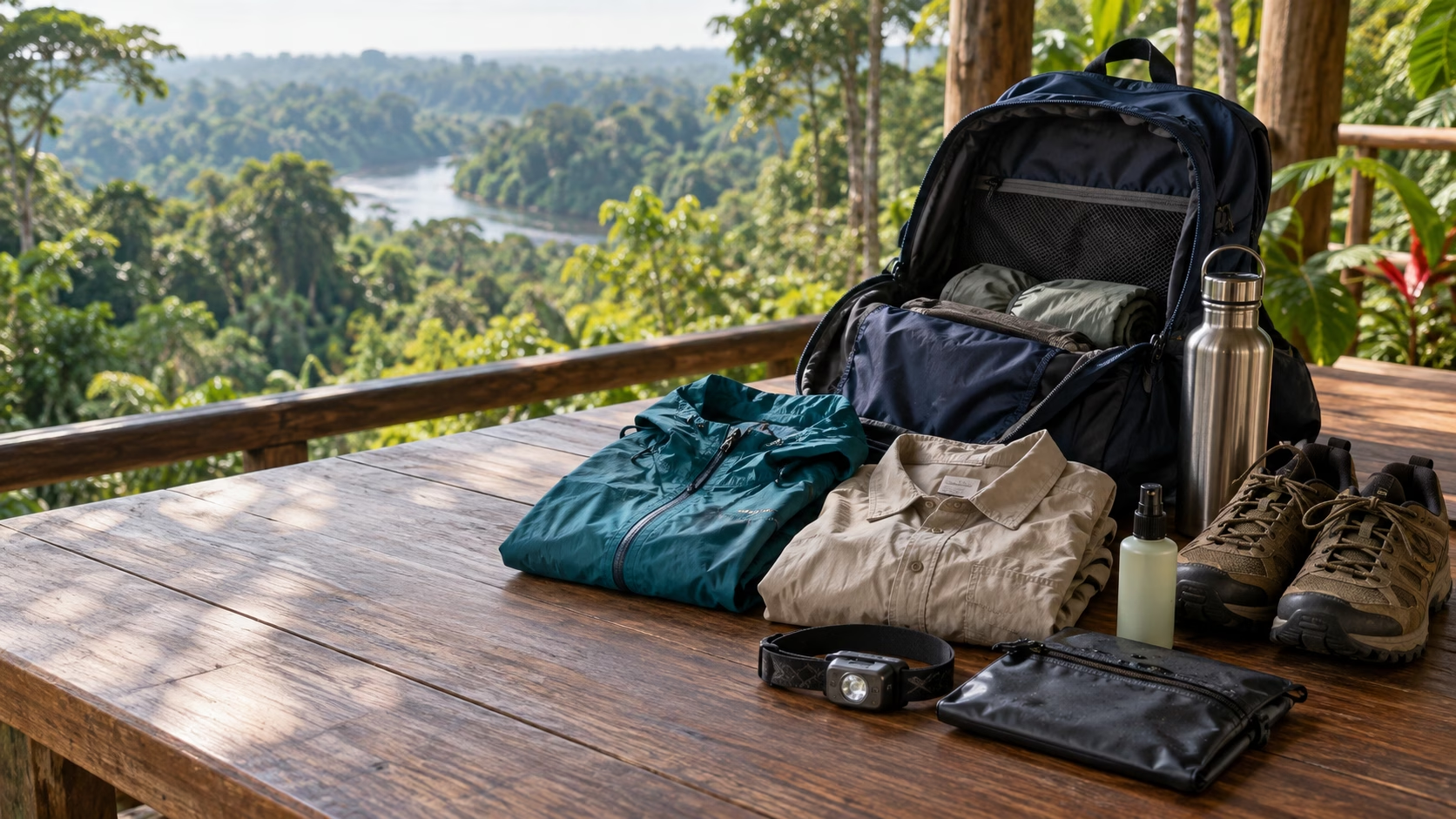
Deciding what to pack for Suriname is easier when you divide the trip into city days, transfers and time at your lodge. Start with breathable clothes, comfortable closed shoes, rain protection, insect repellent and a waterproof pouch for documents. Then add the equipment your booked activities actually need.
This Suriname packing list is for a holiday combining Paramaribo with guided outings or a short stay in the rainforest. The suggested quantities assume about a week away, including two nights at a river lodge. Use our 7-day Suriname itinerary to plan how those days fit together. Longer stays and specialist expeditions need a different equipment plan.
Your Suriname packing list at a glance
Use these quantities as a starting point. Adjust them for laundry access, your length of stay and the baggage allowance on every transfer.
| Pack | Suggested starting quantity | What to check |
|---|---|---|
| Lightweight tops | 4–5, including 1–2 with long sleeves | Choose pieces that work together and are easy to wash. |
| Long trousers | 2 lightweight pairs | Comfort for walking and enough coverage for outdoor activities. |
| Underwear and socks | Enough until your next wash, plus a dry spare set | Allow for clothing taking longer than expected to dry. |
| Rain protection | 1 light jacket or poncho | Can you reach it during a transfer without opening your whole bag? |
| Footwear | 1 pair of closed walking shoes; sandals if useful | Ask whether your actual route needs boots. |
| Sun and insect protection | Hat, sunscreen and suitable repellent | Bring enough for your planned use and follow product labels. |
| Water protection | Dry bag or waterproof pouches | Protect documents, electronics and one clean outfit separately. |
| Personal essentials | Medicines, toiletries and a small first-aid kit | Storage needs, import requirements and airline restrictions. |
| Power and documents | Charger, compatible adapter and offline travel records | Accommodation power supply and your airline’s battery rules. |
Swipe the table sideways to see all columns.
Separate your city luggage from your lodge bag
A suitcase can work well for a hotel stay in Paramaribo. A smaller soft bag may be easier for a lodge excursion involving road and boat transport, provided it meets the operator’s instructions. Confirm the permitted size and weight before choosing it.
Main luggage
Keep spare city clothes and items you will not need at the lodge here. If leaving it in Paramaribo, arrange storage with your hotel and confirm when you can collect it.
Overnight bag
For two lodge nights, start with two changes of clothing, a dry evening outfit, spare socks, toiletries and any towel or equipment the lodge asks you to bring.
Day bag
Keep documents, essential medicines, water, your phone, repellent and rain layer accessible. Protect items that must stay dry inside separate waterproof pouches.
Ask how your luggage will be handled during each transfer and whether you will need to carry it yourself. Keep the items you need during the journey in the day bag, rather than at the bottom of luggage stored elsewhere.
Choose clothes for heat, rain and repeat use
Build your bag around lightweight clothing you can wear comfortably for several hours. Include loose long trousers and long-sleeved tops for outdoor days, alongside whatever you prefer for time at your accommodation.
Keep one complete outfit dry for the evening. Store damp clothes separately and unpack them when you reach your room. Avoid a packing plan that only works if yesterday’s heavy trousers dry overnight.
For visits to places of worship or local communities, ask about the expected dress before setting out. A lightweight shirt and long trousers can be useful for both visits and outdoor activities.
Walking shoes, sandals or boots?
Take closed shoes you have already worn comfortably. Whether you need hiking boots or rubber boots depends on the terrain and the operator’s advice. If boots are supplied, confirm that your size is available. Sandals can be useful around your accommodation, but bring suitable footwear for the walks you have booked.
Keep the essentials dry through the whole transfer
Pack so a shower, a wet bag or a change of clothes does not require reorganising everything during the journey.
Protect documents and electronics
Use waterproof pouches or a dry bag and close them according to the instructions. A backpack rain cover alone is not protection against soaking or submersion.
Keep one complete outfit dry
Pack the clothing you need that evening separately. Bring a bag for damp clothes and wet shoes, then unpack and air them when you reach your room.
Keep the rain layer within reach
Try reaching your jacket, passport and water bottle without opening the main bag. Repack before departure if the essentials are buried.
Ask how safe drinking water is supplied and whether you can refill a bottle. Follow current travel-health advice; clear river water should not be assumed safe to drink.
Pack insect protection and personal health essentials
Bring an appropriate insect repellent and follow its label, including age restrictions. Cover exposed skin with suitable clothing and ask whether your room has screens or a mosquito net before deciding whether to pack your own.
Add a hat, sunscreen and personal medicines. Keep essential medication in the bag that stays with you, with its identifying packaging and relevant prescription documents. Check any import restrictions and storage needs before travelling, particularly for medicine that needs temperature control.
A compact first-aid kit might include dressings and blister care that you know how to use. Arrange individual advice from a travel-health professional about your route, medical needs and vaccinations. The CDC’s Suriname health page is a useful starting point for that conversation.
Prepare a dry, accessible document pouch
Carry your passport and the documents required for your nationality and route. Our Suriname travel guide brings together entry formalities and arrival planning. Save transport bookings, accommodation details, pickup instructions and key contact numbers offline. Keep backup copies separately; copies do not replace originals when an authority requires them.
Entry Fee or visa documents
Check your passport and journey against the official VFS instructions. Where the single Entry Fee applies, VFS currently lists USD 50 or EUR 50 plus a service fee of USD 8 or EUR 8. Exemptions and separate visa requirements apply, so keep the correct issued voucher or visa with your travel documents. Review the official Entry Fee information before applying.
Immigration and Customs Form
The ICF is a separate, free form for passengers travelling to and from Suriname. The official portal makes it available from seven days before arrival or departure. Complete the relevant form and save or print the QR code. Paying an Entry Fee does not complete this step. Use the official Suriname ICF portal.
If you have travel insurance, save the certificate and assistance numbers too. Before taking expensive equipment, review the limits and exclusions in your own policy. SoEasy’s guide to what travel insurance can cover in Suriname outlines the categories to check. Our guide to travel insurance claim documents explains why keeping booking records and receipts can be useful.
Confirm charging, connectivity and payments
Check socket compatibility and electricity availability with each accommodation. Bring the charger and cable you use, and an adapter if needed. An adapter changes the plug connection; it does not necessarily convert voltage, so check the input rating on your device.
A power bank and small head torch may help if your lodge has limited charging opportunities. Before packing spare batteries or power banks, check every operating airline’s limits on capacity, where they must be carried and whether they may be used during the flight.
Download maps, tickets and transfer contacts before you need them offline. Confirm how to pay for lodge extras and carry an appropriate backup payment method. Ask each provider what it accepts and in which currency, so your plans do not depend on an unconfirmed payment option.
Six questions to ask your lodge before packing
- Bag allowanceWhat are the size and weight limits for every transfer?
- What is suppliedAre towels, bedding and mosquito nets supplied where needed?
- Walking conditionsWhich shoes suit the booked walks and current conditions?
- Drinking waterHow is safe drinking water provided, and can I refill a bottle?
- Charging facilitiesWhen can I charge devices, and which plugs will fit?
- Activity equipmentIs any equipment required, and is it supplied in my size?
Use the answers to leave unnecessary equipment at home. A tent, sleeping bag, heavy spare footwear or a large electronic kit may add little to a stay where the relevant facilities and equipment are already provided.
Suriname packing FAQ
Before you finish packing
A few practical answers about luggage, sleeping arrangements and activities at a river lodge.
Can I use a suitcase for the whole trip?
It depends on your transfers. A suitcase may suit your city hotel, while the lodge operator may request a smaller soft bag. Confirm the restrictions first, and arrange hotel storage if you plan to leave part of your luggage in Paramaribo.
Do I need to bring my own mosquito net?
Ask your accommodation about screens, air conditioning and any nets provided. If a net is needed, confirm that one will be available and suitable for your bed. Arrange one before travelling if the accommodation cannot provide it.
Should I pack swimwear for a river lodge?
Pack it if a suitable swimming facility is part of your stay. Do not assume river swimming is advisable: CDC guidance for Suriname warns against swimming in fresh, unchlorinated water because of infection risks. Check the health guidance linked above when planning activities.

Written by Ionut BalanTravel Insurance Specialist and author. Ionut writes practical travel insurance and travel-preparation guides based on policy documentation, official travel information and questions asked by international travellers.